
Home > Company News
Bilateral, smooth, translucent inflammatory polyps are common, but not every intranasal mass is a routine polyp. A unilateral lesion, easy bleeding, an irregular surface, marked pain, or bone destruction requires additional caution. Contrast imaging, MRI, or tissue sampling may be needed to exclude inverted papilloma, fungal disease, meningoencephalocele, or malignancy.
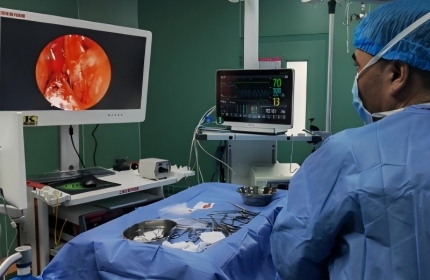
Nasal endoscopy shows the side and distribution of polyps, the involved meatus, purulent discharge, mucosal edema, and changes from previous surgery. After clinician-directed decongestion, concealed sinus openings and the origin of a polyp may be easier to identify. Findings also document the baseline for postoperative comparison.
• It shows disease extent and drainage obstruction in the frontal, ethmoid, maxillary, and sphenoid sinuses.
• It identifies septal deviation, ethmoid variants, and anatomy altered by previous surgery.
• It maps the relationship to the orbit, optic nerve, internal carotid artery, and skull base.
• It helps define surgical extent but should not be interpreted apart from symptoms and endoscopy.
Nasal polyps commonly coexist with asthma, aspirin-exacerbated respiratory disease, allergy, and eosinophilic inflammation. Poorly controlled asthma increases perioperative respiratory risk and may be associated with recurrence. The team also reviews hypertension, diabetes, sleep apnea, bleeding disorders, and prior anesthesia history.
The need for a blood count, coagulation testing, electrocardiogram, or other studies depends on age, surgical extent, and medical conditions. A single identical testing list is not appropriate for every patient.
Prepare a question list and bring records of previous sinus surgery, relevant imaging, and recent test results. Before giving informed consent, confirm any remaining questions about treatment goals, important risks, postoperative medication, follow-up visits, and who to contact if problems arise after discharge.
• Provide a complete list of prescriptions, over-the-counter drugs, supplements, and recent corticosteroid use.
• Do not stop an anticoagulant or antiplatelet drug independently; timing must balance bleeding and thrombotic risks.
• Follow anesthesia fasting instructions and arrange transportation, an escort, and postoperative rest.
• Report fever, an acute respiratory infection, or worsening asthma to the surgical team promptly.
Medical Disclaime
This article is for health education and web-content reference only. It does not replace an in-person medical assessment, diagnosis, or treatment. Surgical candidacy and the treatment plan must be determined by qualified ENT professionals.

+86-13167065777
Building 5A, No. 9628, Hunan Highway, Pudong New Area, Shanghai, China
 Links:
Shanghai Shiyin Photoelectric Instrument Co.,Ltd. All Right Reserved